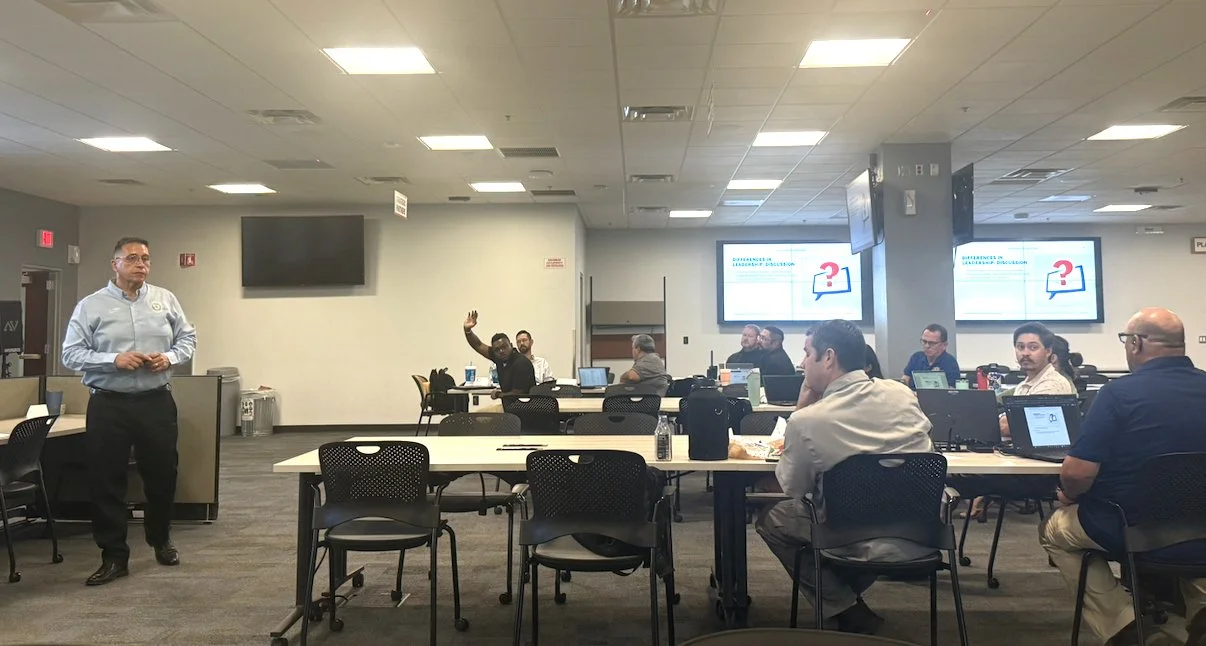
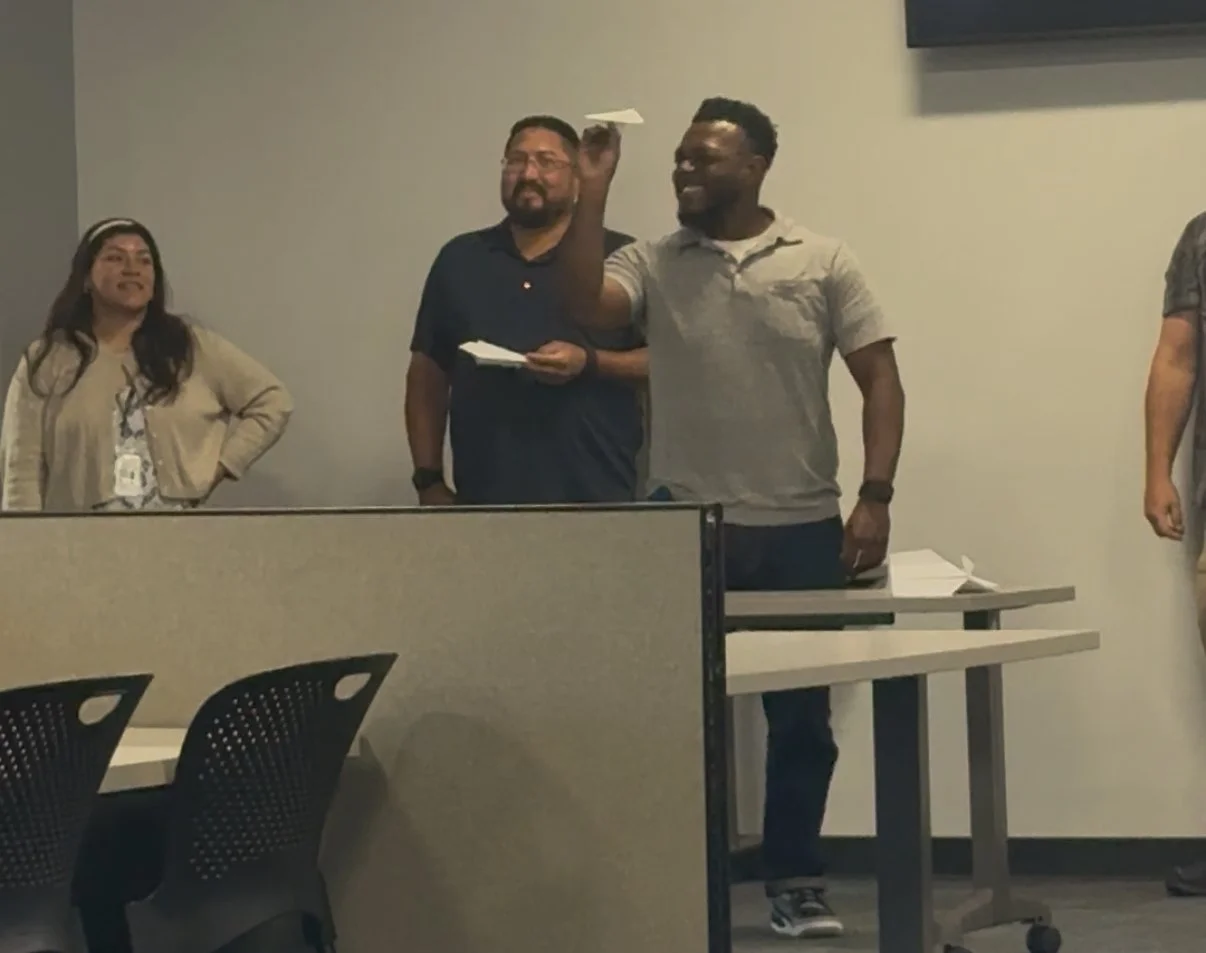
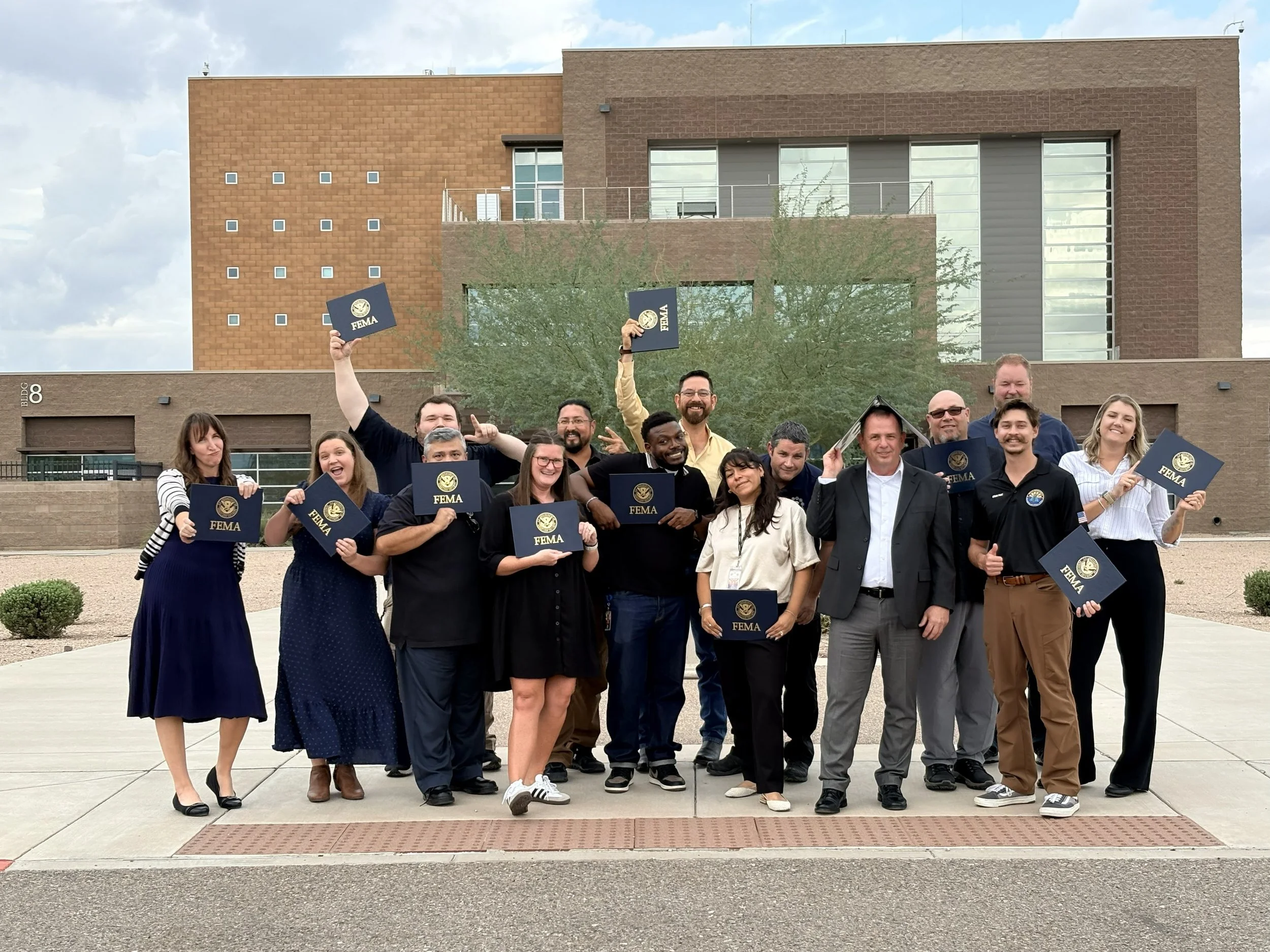
After four courses, a capstone project, a little government shutdown, and learning my brother can throw a paper airplane crazy far, I’ve officially completed FEMA’s National Emergency Management Advanced Academy (NEMAA).
Our Arizona cohort had a somewhat unconventional journey. We started the academy together, experienced a pause when federal funding disruptions interrupted the program, and eventually returned to finish what we’d started. Along the way, the composition of our cohort changed, and not everyone who began the journey was able to complete it with us. Reaching graduation together was certainly worth celebrating. But looking back, what I appreciate most isn’t the credential itself. It’s the opportunity to spend time with an exceptional group of emergency management professionals and gain a deeper understanding of the work they’re doing.
Familiar Faces, New Perspectives
One of the things that made this experience particularly meaningful was that many of my classmates weren’t strangers. They were colleagues from Arizona’s emergency management community, people I’d encountered through professional associations, collaborative efforts, and other opportunities throughout my career. Some I knew well. Others I knew primarily through their professional roles, and a few I was meeting in person for the first time.
What NEMAA offered was an opportunity to get to know them beyond those familiar interactions.
Over four courses, I learned more about their professional interests, the challenges they were navigating, and the projects they were pursuing within their organizations. Classroom conversations and group activities gave us opportunities to share perspectives that don’t always emerge during meetings, conferences, or the routine coordination that brings our organizations together. There’s something valuable about discovering what motivates the people working alongside you in the profession. We may know someone’s title, organization, or area of responsibility without fully appreciating the breadth of their experience or the problems they’re particularly passionate about solving.
Spending time together changed that.
It also reinforced something I’ve come to appreciate throughout my career: there’s an extraordinary amount of expertise within our own emergency management community. Sometimes we simply need more opportunities to learn what the people around us know.
Seeing the Work Behind the Work
One of the highlights of the academy was learning about the capstone projects developed by members of our cohort. Each participant was responsible for identifying a meaningful organizational or community need and developing a project to address it. The projects reflected the different environments in which we work, the challenges our organizations face, and the interests and expertise of the practitioners developing them. I found that especially worthwhile.
We often see the finished products of one another’s work: a new program, an updated plan, an exercise, or an initiative announced at a professional meeting. We don’t always get to see the thinking behind those efforts, the challenges that prompted them, or the decisions involved in developing a solution. The capstone process gave us a closer look.
It was an opportunity to understand not only what our colleagues were working on, but why they considered those efforts important. It also created space to exchange ideas, ask questions, and consider how approaches developed in one organization might inform work elsewhere. For me, those conversations were among the most valuable parts of the experience. They offered practical insight into the work happening across Arizona and a greater appreciation for the people advancing it.
My Capstone: From Doctrine to Practice
My own capstone, From Doctrine to Practice: Strengthening T&D Incident Management Through NIMS/ICS, focused on a challenge familiar to many emergency management programs: translating established doctrine into consistent, practical application. Within electric utility operations, incident management requires personnel from different functional areas to come together, establish shared situational awareness, coordinate priorities, and support decisions under changing conditions.
The National Incident Management System (NIMS) and Incident Command System (ICS) provide a common foundation for that work. But adopting a framework and consistently applying it are two different things. My project centered on developing a Meetings and Briefings Manual for our Transmission and Distribution Incident Command Center (ICC). The manual establishes a more consistent approach to incident management meetings and briefings, including their purpose, structure, participants, and information requirements. The intent was to make our established incident management processes easier to understand, repeat, and sustain, particularly as personnel rotate through assignments or take on new responsibilities. It’s a practical resource, rather than a particularly complicated concept. But I’ve found that some of the most meaningful improvements in emergency management come from making the fundamentals work more consistently.
A plan can describe how an organization intends to operate. A procedure can establish expectations. The real measure of their value is whether personnel can use them effectively when an incident occurs. The manual is now part of our broader effort to strengthen incident management capability, and it will continue to evolve through operational experience, exercises, and lessons identified along the way.
Completing the capstone was satisfying, but seeing the range of projects developed by my classmates was equally rewarding. It was a reminder that meaningful progress across our profession often happens through focused, practical improvements within individual organizations.
Why These Connections Matter
Emergency management is a relationship-driven profession, but I think there’s more to that statement than simply knowing people or having an extensive contact list.
Effective relationships are built on understanding.
Knowing who someone is matters. Understanding what they know, what they’ve experienced, what they’re working toward, and how they approach challenges can be even more valuable. That understanding helps us recognize opportunities to collaborate, identify expertise we might otherwise overlook, and reach out to the right people when we’re facing an unfamiliar problem. It also strengthens our professional community in ways that may not be immediately measurable.
When I think about the colleagues in our cohort, I have a better understanding of the capabilities and perspectives they bring to the table than I did when we began. I know more about the work they’re leading, the subjects that interest them, and the ways they think through challenges. Those insights matter in a field where complex problems rarely fit neatly within a single organization or discipline.
They also remind me that professional development doesn’t have to introduce us to entirely new people to expand our networks. Sometimes its greatest contribution is helping us build more meaningful connections with people who were already part of them.
The Moments Between the Lessons
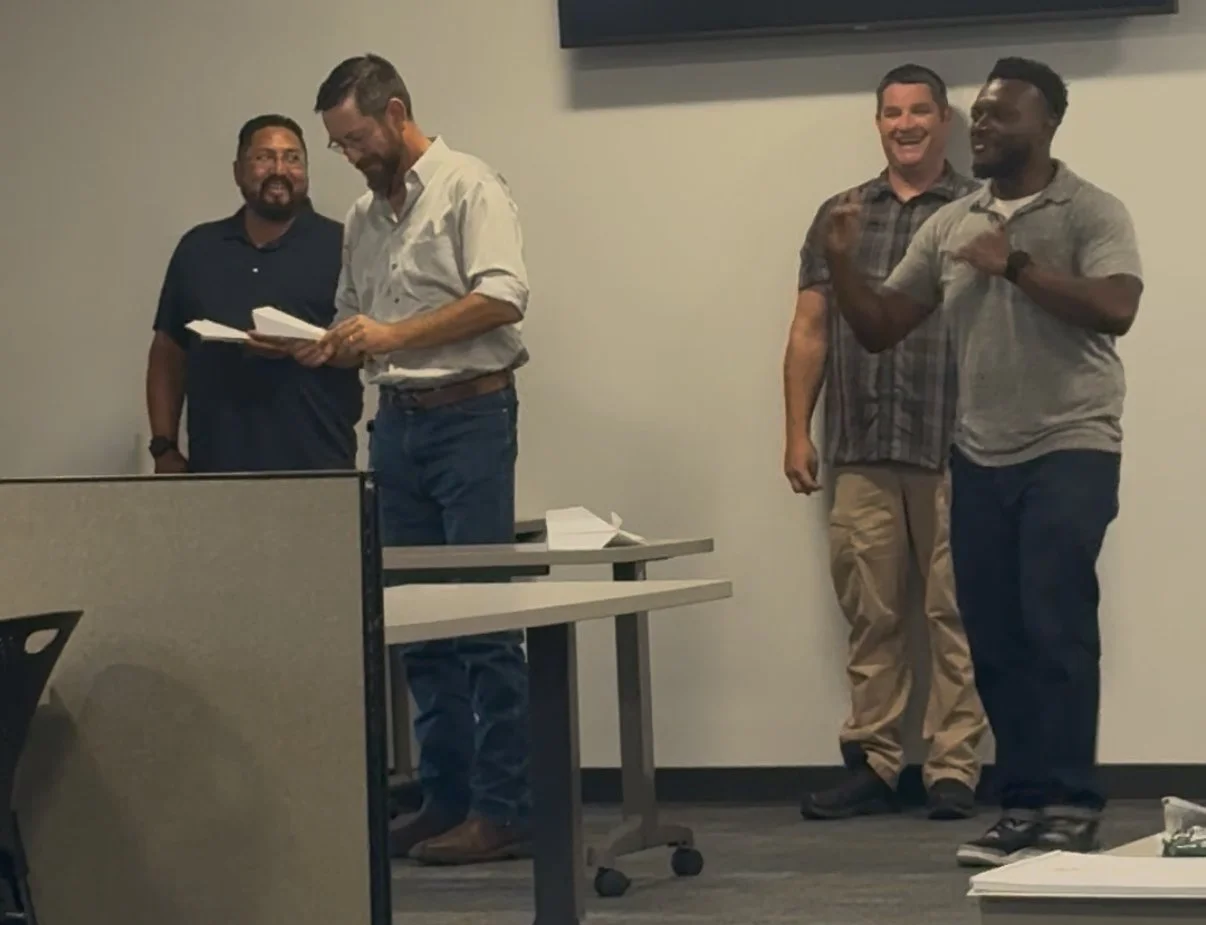
Of course, not every memorable part of the academy involved a capstone presentation or a discussion about emergency management. There were plenty of conversations, shared laughs, and moments of levity along the way. At some point, there was even a paper airplane competition. I appreciate those moments, too.
Our work can be demanding, and the circumstances that bring emergency management professionals together aren’t always particularly enjoyable. Having opportunities to spend time with colleagues outside the pressures of an incident or an immediate operational challenge is valuable.
Those experiences create room for camaraderie, perspective, and the kinds of connections that can be difficult to build when everyone is focused on the next deadline or emerging situation. And after the unexpected interruption in our academy schedule, there was something particularly satisfying about finally reaching the finish line together.
Four Courses Later
Completing NEMAA is a professional milestone I’m grateful to have reached. I appreciate the instructors who guided our cohort, the opportunity to develop a practical capstone project, and the time set aside to reflect on leadership and our work in emergency management. But the greatest takeaway for me was the opportunity to learn more about the people within my own professional community. I leave with a deeper appreciation for their expertise, a better understanding of the projects and challenges they’re working on, and relationships I hope will continue to grow.
I also leave encouraged by the work happening across Arizona. Emergency management is strengthened by people who care enough to question existing approaches, develop new ideas, share what they’ve learned, and invest their time in making their organizations and communities better prepared.
Our cohort offered plenty of examples of that commitment. Four courses. One Arizona cohort. A collection of worthwhile projects. Some familiar faces I now know a little differently.
And a few paper airplanes.